
Winter PlumbingLocal Guides
How to prevent frozen pipes in rockville this winter
Rockville pipes freeze when outdoor temps drop below 20°F and crawlspace lines sit near exterior walls. Here is how to prevent it, and what to do if it happens.
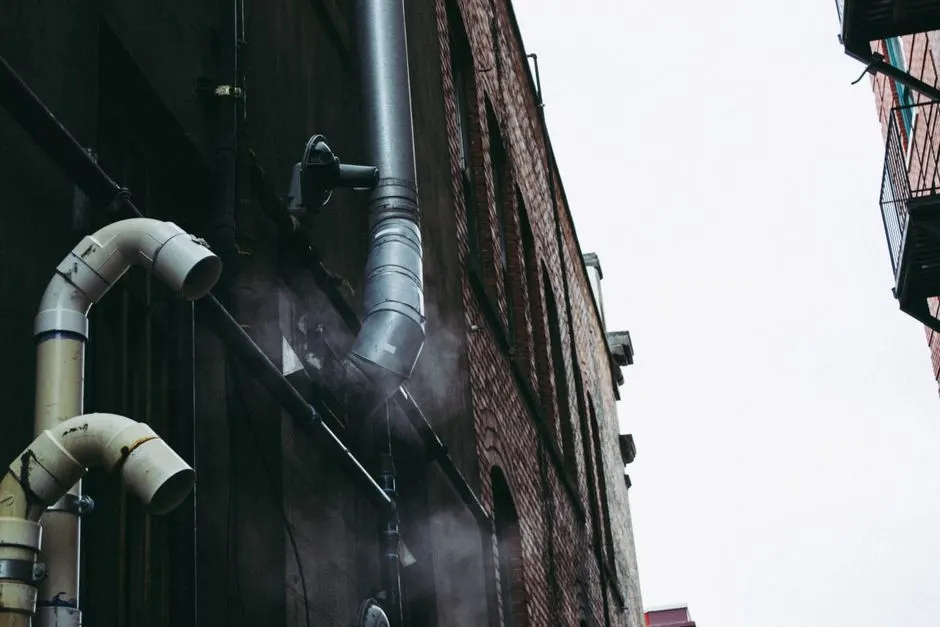
You prevent frozen pipes in Rockville MD this winter by keeping every pipe above 32°F: seal crawlspace vents, insulate the lines that run along exterior walls and in attics, drip the farthest faucet on cold nights, and keep the thermostat at 55°F or higher even when you travel. The two lines that freeze first in almost every Rockville home we open up are the hose bib on the front of the house and the supply line feeding the kitchen sink on an exterior wall. Below is the exact sequence we walk homeowners through each November, plus what to do when a line freezes anyway.
Why Rockville pipes freeze so fast
Rockville sits in a pocket of Montgomery County where overnight lows regularly hit the low teens between December and early March, and the wind that comes across the open ground near Rock Creek and the ICC corridor pushes wind chills into single digits. That matters because a pipe does not need the air temperature to hit 32°F to freeze - it needs the water inside the pipe to lose heat faster than the surrounding air can replace it.
Most of the frozen-pipe calls we run in Rockville come from four spots:
- Hose bibs and exterior spigots - the last six inches of pipe inside the wall has no insulation behind it in most 1960s-1990s construction.
- Crawlspace and unheated basement lines - common in the older housing stock around Plumbing Rockville md in Downtown Rockville, where stone foundations and open vents let cold air sit against the pipes.
- Attic runs and garage walls - any pipe on a north-facing exterior wall is a candidate.
- Kitchen and bathroom sink supplies on exterior walls - the cabinet blocks warm air from reaching the pipe.
We see the same pattern every January: a homeowner leaves for a long weekend, drops the thermostat to 50°F to save money, and comes home to a split copper line behind the kitchen cabinet. The repair is rarely just the pipe - it is the drywall, the cabinet base, and sometimes the flooring.
What temperature do pipes freeze in Rockville Maryland?
Water freezes at 32°F, but pipes in Rockville Maryland typically begin to freeze when the outdoor air stays at 20°F or below for four or more hours, and they burst most often between 10°F and 20°F. The pipe itself does not have to reach 32°F - the water inside it does, and uninsulated copper loses heat fast.
Three numbers worth remembering:
- 20°F - the threshold where exposed pipes in crawlspaces and exterior walls start freezing on a still night.
- 55°F - the lowest thermostat setting we recommend when you are away from home, even for a weekend.
- 8 hours - how long a pipe can sit frozen before the ice expansion cracks the copper or splits a PEX fitting.
Wind changes the math. A 25°F night with 20 mph wind pulls heat off an exterior wall faster than a still 18°F night, which is why Rockville's windier ridges - the higher ground near Plumbing Rockville md in Horizon Hill - see more freeze calls than the sheltered streets closer to Rockville Town Center.
The 30-minute winterize checklist for Rockville homes
Winterizing pipes in Rockville Maryland takes about half an hour on a single-family home and covers 90% of the freeze risk. Do this in late November, before the first hard freeze, and again after any thaw-and-refreeze cycle in January.
- Disconnect every garden hose and shut off the interior valve feeding each hose bib. Open the outdoor spigot to drain the line, then leave it open through winter.
- Seal crawlspace vents with rigid foam board cut to fit. Leave one vent cracked for moisture, but block the wind-facing side completely.
- Insulate the first six feet of any pipe within 12 inches of an exterior wall, plus every line in the attic and garage.
- Set the thermostat to 55°F minimum and leave it there. Do not use a setback schedule that drops below 55°F overnight.
- Open cabinet doors under kitchen and bathroom sinks on nights forecast below 20°F so warm air reaches the supply lines.
- Drip the farthest faucet - a pencil-lead-thin stream keeps water moving and relieves pressure if ice forms downstream.
- Locate your main shutoff and tag it. If a pipe bursts at 2 a.m., you want to find it in the dark.
If you are heading out of town for more than a few days, shut off the main and drain the system. That single step prevents more damage than everything else on this list combined.
Pipe insulation in Rockville MD: what actually works
Pipe insulation in Rockville MD works when it is the right material for the location, installed with the seams sealed and the ends capped. The wrong product - a thin foam sleeve on a pipe that sits in a 15°F crawlspace - buys you a few degrees and nothing more.
What we install, and where:
- Closed-cell foam sleeves (½-inch wall minimum) for interior runs in heated space. Cheap, fast, effective.
- Fiberglass wrap with a sealed vapor barrier for crawlspaces and attics, where condensation matters as much as cold.
- Heat cable with a thermostat for the two or three lines that cannot be moved - typically the kitchen sink supply on an exterior wall and the line feeding a garage utility sink.
- Frost-proof hose bibs if you are replacing an exterior spigot anyway. The valve seat sits inside the wall, so the pipe drains when you close it.
Material cost for a typical Rockville single-family home runs $80-$220 if you do it yourself. Installed by a plumber, expect $250-$650 depending on how many lines are in the crawlspace and whether heat cable is needed. That is 2026 pricing in this area. Compare that to a burst-pipe repair, which starts around $450 for the pipe alone and climbs past $3,000 once drywall and flooring are involved.
If you are not sure which lines are exposed, we will walk the crawlspace and attic with you and mark them. Most homeowners are surprised by how many pipes run along exterior walls in homes built between 1965 and 1995.
What to do if pipes freeze in Rockville MD
If pipes freeze in Rockville MD, shut off the main water valve first, then open the nearest faucet and warm the pipe gradually with a hair dryer or a towel soaked in hot water - never with an open flame or a heat gun on high. The goal is to thaw the line without cracking it.
Step by step:
- Shut off the main. If the pipe has already split, this stops the flood before you start thawing.
- Open the faucet the frozen line feeds. You will hear water start to move when the ice clears.
- Warm from the faucet end back toward the freeze. Start where the pipe is warmest and work toward the ice.
- Watch for leaks as it thaws. A split pipe often does not leak until the ice melts.
- If nothing moves in 30 minutes, stop. You are either working the wrong section or the line is frozen somewhere you cannot reach.
Do not pour boiling water down a drain to thaw a trap - it can crack a porcelain fixture. Do not use a propane torch in a crawlspace. And do not assume a frozen pipe is fine because it did not burst last time. Copper fatigues; the third freeze is often the one that splits it.
If the line is behind a finished wall or under a slab, you need a plumber with a thermal camera. We use one on every freeze call to find the actual ice plug instead of opening three walls hoping to get lucky.
Common mistakes that lead to burst pipes
The most common mistake we see is a thermostat setback that drops below 55°F while the homeowner is away. Saving $12 on gas is not worth a $4,000 water-damage claim.
Others we run into every winter:
- Leaving the hose connected. Water trapped in the hose freezes back into the spigot and splits the valve body.
- Insulating only the straight runs. The elbows, tees, and fittings are where ice forms first - wrap those too.
- Closing crawlspace vents in October and forgetting them. Sealed vents trap moisture, which rusts pipe and encourages mold by spring.
- Using a space heater in a crawlspace. It is a fire risk, and it does not reach the pipe that is actually frozen.
- Ignoring a slow drain in winter. A partially clogged line freezes faster than a clear one. If your kitchen sink is draining slowly in December, that is a drain cleaning rockville MD call, not a wait-and-see.
- Assuming PEX cannot freeze. PEX flexes further than copper, but it still splits at the fittings. We replace plenty of frozen PEX every February.
One more: if you have ever had a frozen pipe in the same spot two winters in a row, that spot needs a permanent fix - rerouting, heat cable, or added insulation - not another season of hoping.
When to call a professional
Call a professional when the frozen section is behind a finished wall, under a slab, or in a crawlspace you cannot safely enter, or when you have already thawed the line and it is still not flowing. Those are the calls where a thermal camera and a pressure test save you from opening the wrong wall.
We also get called for the jobs that are not emergencies yet: adding heat cable to a line that froze last year, replacing a hose bib that has split twice, or insulating a crawlspace properly before the next cold snap. Those are cheaper in November than in January.
If you are not sure whether your setup is at risk, we will come out, walk the house, and tell you which lines are exposed and what it would cost to protect them. No pressure, no upsell - just a straight answer about what your house actually needs.
For homes in the older neighborhoods, this is routine work. We do it across the city, from the brick colonials near Plumbing Rockville md in West End to the newer townhomes around King Farm, and the fix is almost always the same: seal the air path, insulate the pipe, and keep the heat on.
Frequently Asked Questions
How do I prevent frozen pipes in Rockville MD?
Disconnect hoses, shut off and drain exterior spigots, seal crawlspace vents, insulate every pipe within 12 inches of an exterior wall, keep the thermostat at 55°F or higher, and drip the farthest faucet on nights below 20°F. That covers roughly 90% of the freeze risk in a typical Rockville home.
What temperature do pipes freeze in Rockville Maryland?
Pipes begin freezing when outdoor air holds at 20°F or below for four or more hours, and burst most often between 10°F and 20°F. Wind accelerates it - a windy 25°F night can freeze an exposed line faster than a still 18°F night.
What should I do if my pipes freeze in Rockville MD?
Shut off the main water valve, open the faucet the line feeds, and warm the pipe gradually with a hair dryer or hot towels, working from the faucet back toward the ice. If nothing moves in 30 minutes, stop and call a plumber - you are likely working the wrong section.
Who do I call for frozen pipes in Rockville MD?
Call a licensed plumber who carries a thermal camera and can thaw the line without cutting into walls blindly. We handle frozen and burst lines across Rockville, usually same day, and we will tell you on the phone whether it is safe to wait.
How much does frozen pipe prevention cost in Rockville MD?
DIY materials run $80-$220 for a typical single-family home. Professional insulation and heat cable installation runs $250-$650 in 2026. A burst-pipe repair starts around $450 and can exceed $3,000 once drywall and flooring are repaired.
Get help with Plumbing Rockville md in rockville
If a line has already frozen, or you want your crawlspace and exterior walls checked before the next cold snap, our team handles frozen pipe repair and prevention across Rockville. We find the ice, thaw it safely, and insulate the line so it does not happen again next winter.
Call +1 (831) 293-1204 and we will get you on the schedule.